This site has been created to share First Nations perspectives on January 26 and the histories, experiences and responsibilities it carries.
We invite you to take a few minutes. To scroll slowly. To sit with care and attention.
First Nations communities share lived experience, memory and responsibility carried across generations.
We speak to history, to children and to the future being shaped now.
A note for First Nations readers
This page contains content that speaks directly to invasion, violence, child removal and the ongoing impacts of these histories on children, families and communities. It also includes the names of people who have passed away. These themes may be distressing.
Please take care as you move through this space. You are encouraged to pause, step away or return at another time if needed. This story is shared with respect for the weight carried by our people and the responsibility held across generations.

January 26
This date marks the beginning of invasion for First Nations people.
It carries the reality of survival shaped by violence, loss and imposed control, with impacts that continue across generations and into the lives of our children today.
We speak on January 26 because we carry a vision for our children. A future where they grow in strength, identity, opportunity and pride. A future shaped by culture, community and justice. A future where truth is known and respected.
Walk with us as we build this future, grounded in the strength of our communities and carried forward by the generations to come.
Our voice is the voices of the communities who lead Children’s Ground.
We share what this day means for us and for the children who will inherit the future.
Before 1788
For more than 65,000 years our people lived on these lands with strong systems of law, education, health, wellbeing, sustainability, governance and society.
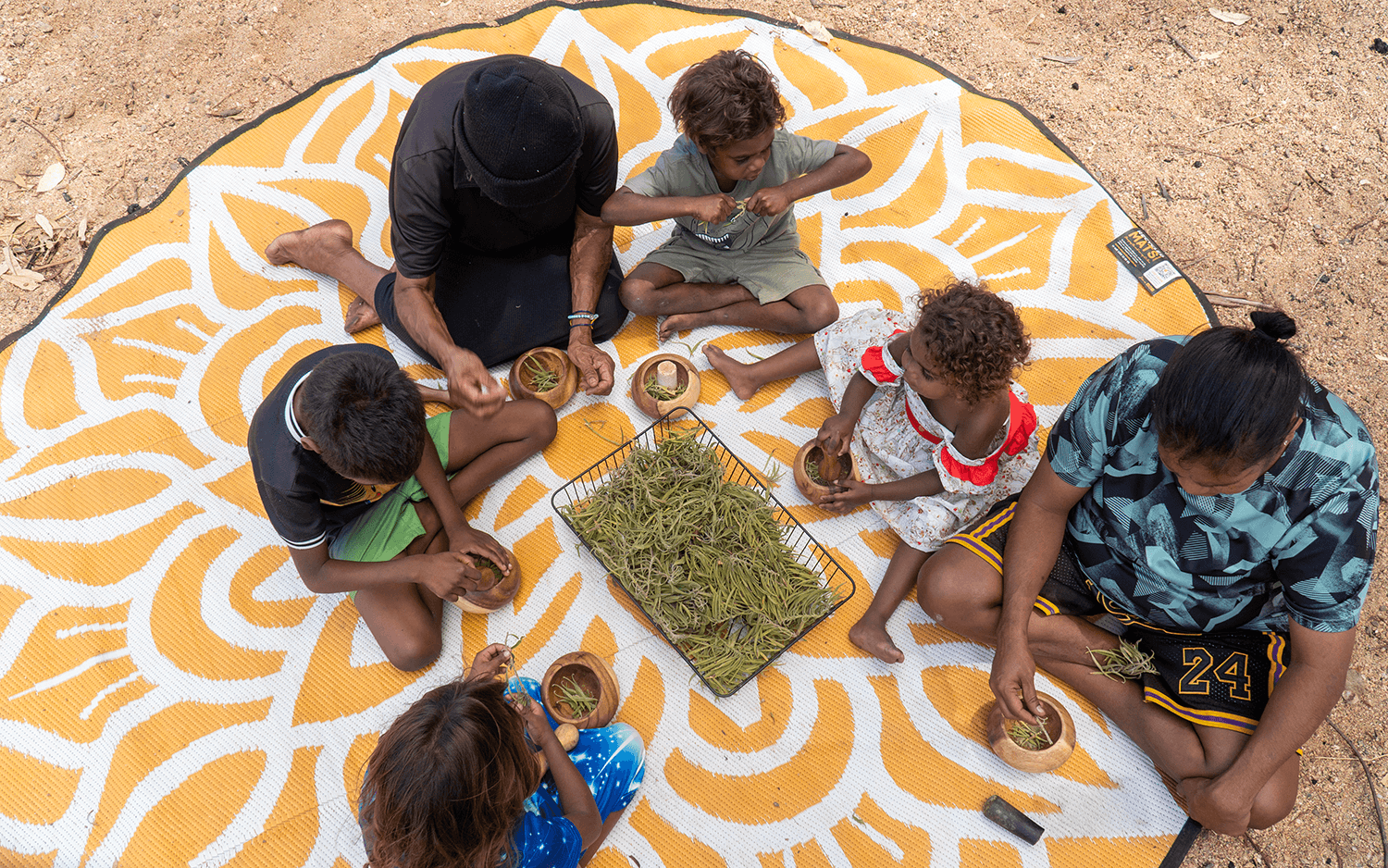
Children grew up surrounded by knowledge, held by family, guided by Elders and connected to Country.
Our culture and ways of life were strong and complete. Knowledge was shared through family and Elders. Language and kinship held community together. Children grew up with identity, safety and belonging.
This is the foundation from which Children’s Ground communities lead the way forward today.
Generation after generation – over 2600 generations. Born with responsibility to Country and people. Held by Country and people. Always learning. Culture carries children forward.
1788 and the invasion
January 26 marks the invasion that tore apart the lives, laws and lands of First Nations peoples. The way of life that had existed on this continent for more than 65,000 years was broken.
First Nations people were hunted, murdered and massacred. Women were raped. Children were taken. Communities were attacked and driven from their Countries. Land was seized through violence and terror. Self-determination and sovereignty were denied through force. The genocide began.
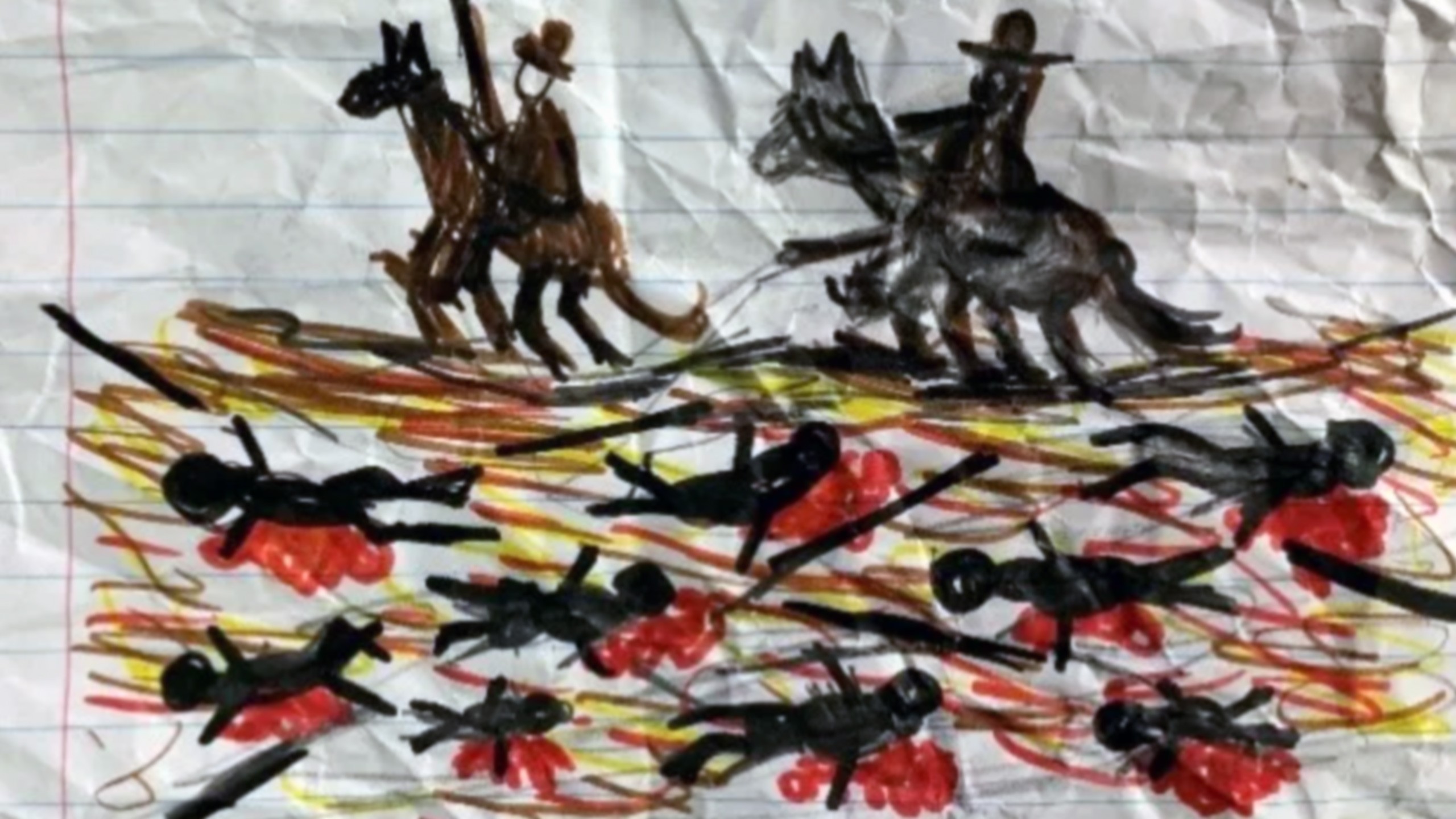
The systems that sustained life were deliberately targeted.
Our land – our lifeblood and strength and law – was attacked, destroyed and removed from us. Our connection to country was broken. Cultural law, governance, education and kinship were under attack. Languages were silenced. Knowledge systems were broken and dismantled. Sacred places were destroyed. The cultural, social and economic fabric that held Nations together was torn apart.
This violence reshaped every part of life. Families were fractured. Communities were scattered.
Our families lived in fear. Our freedom was taken. We survived an imposed system of control and assimilation that sought to erase culture, identity and belonging. Children were targeted.
The consequences of invasion continue to move through generations and remain present in the lives of children, families and communities today.
Stolen Generations
From the violence inflicted across this continent, harm was driven directly into families.
After the massacres, governments used policy as a tool of control and assimilation. Family structures were deliberately targeted. Children were removed from their parents and placed in dormitories, missions and institutions. Families were separated by force. Children were punished for speaking language and practising culture. The intention was to erase Aboriginal people.
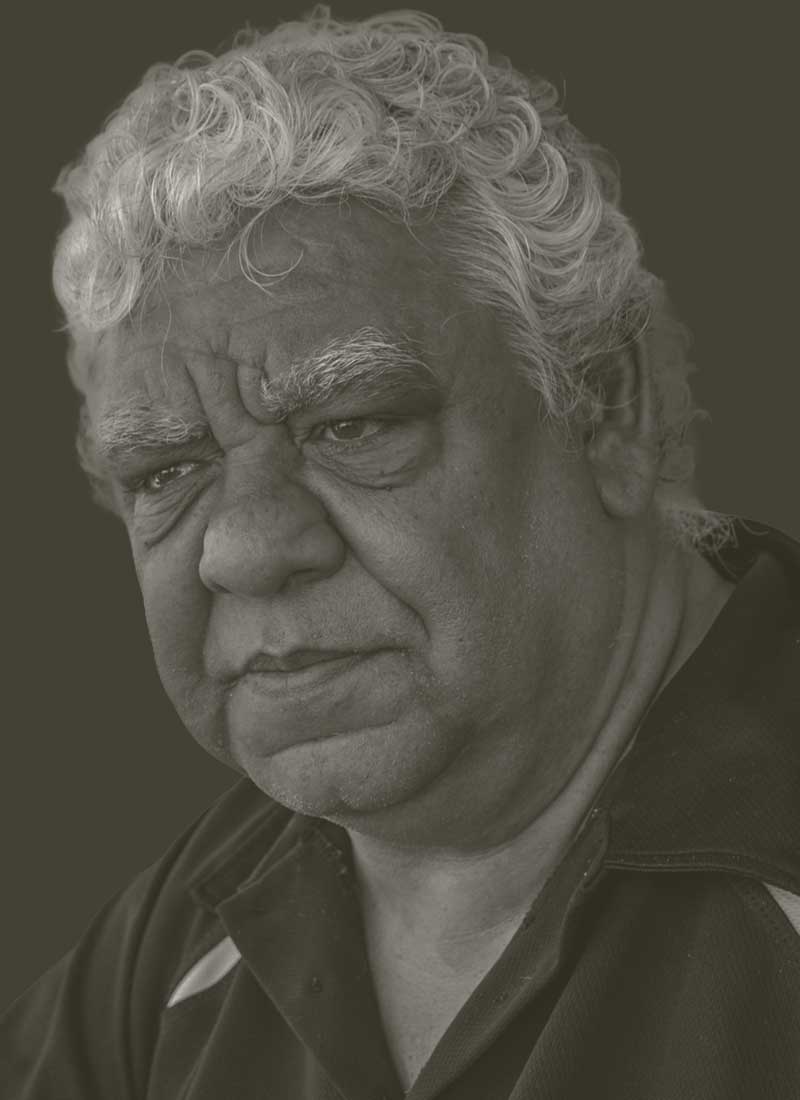
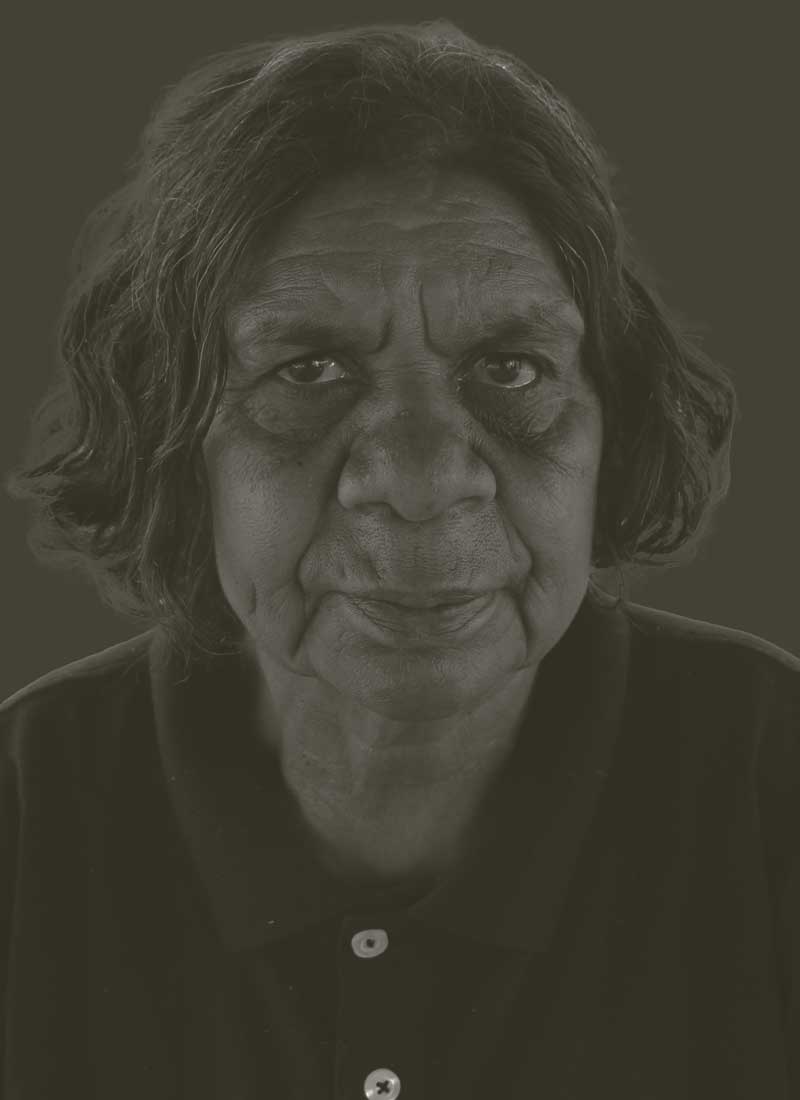
“We lost our language, culture, country and identity. We weren’t considered to be Aboriginal.”
William Tilmouth
Arrernte leader, Children’s Ground Founding Chair and recipient of the 2025 Human Rights Medal
Listen to Williams full reflection in the appendix (3)
The Stolen Generations marked a further stage of genocide through government policy and practice. From 1915, and more formally through the 1930s, governments adopted and enforced the idea of biological absorption, seeking to eliminate Aboriginal people by assimilating them into white society.
This intent was enacted through the systematic removal of children from their families and communities.
The removal of children aimed to break cultural continuity by severing relationships between children, family, Country and kinship. These policies caused deep and lasting harm that continues to live within families.
The separation of families carries through generations and continues today.
Children
Our responsibility today
A First Nations child growing up now lives inside systems shaped by what began in 1788. Decisions made long before their birth continue to shape daily life in schools, health services, child protection and justice systems.
Our children are still not free. Everywhere they turn, the system puts their lives at risk.

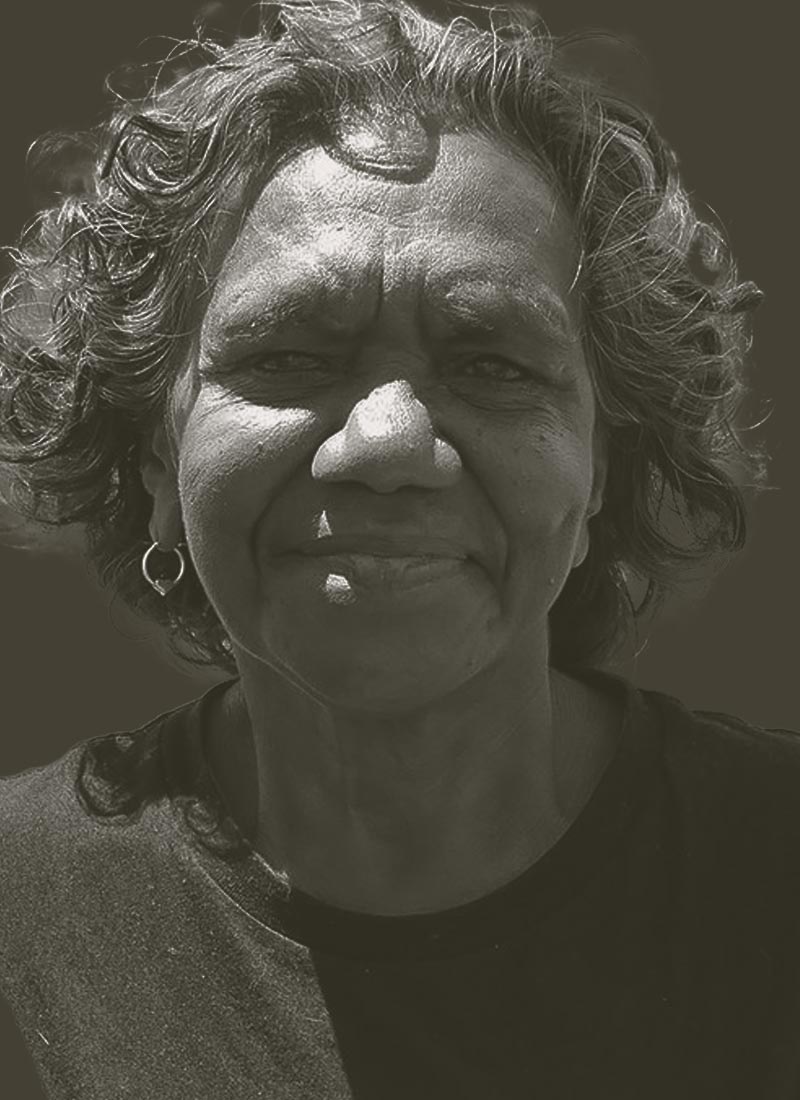
But our children also come from incredible strength and survival. Culture lives within them. They are amazing. They are our future.
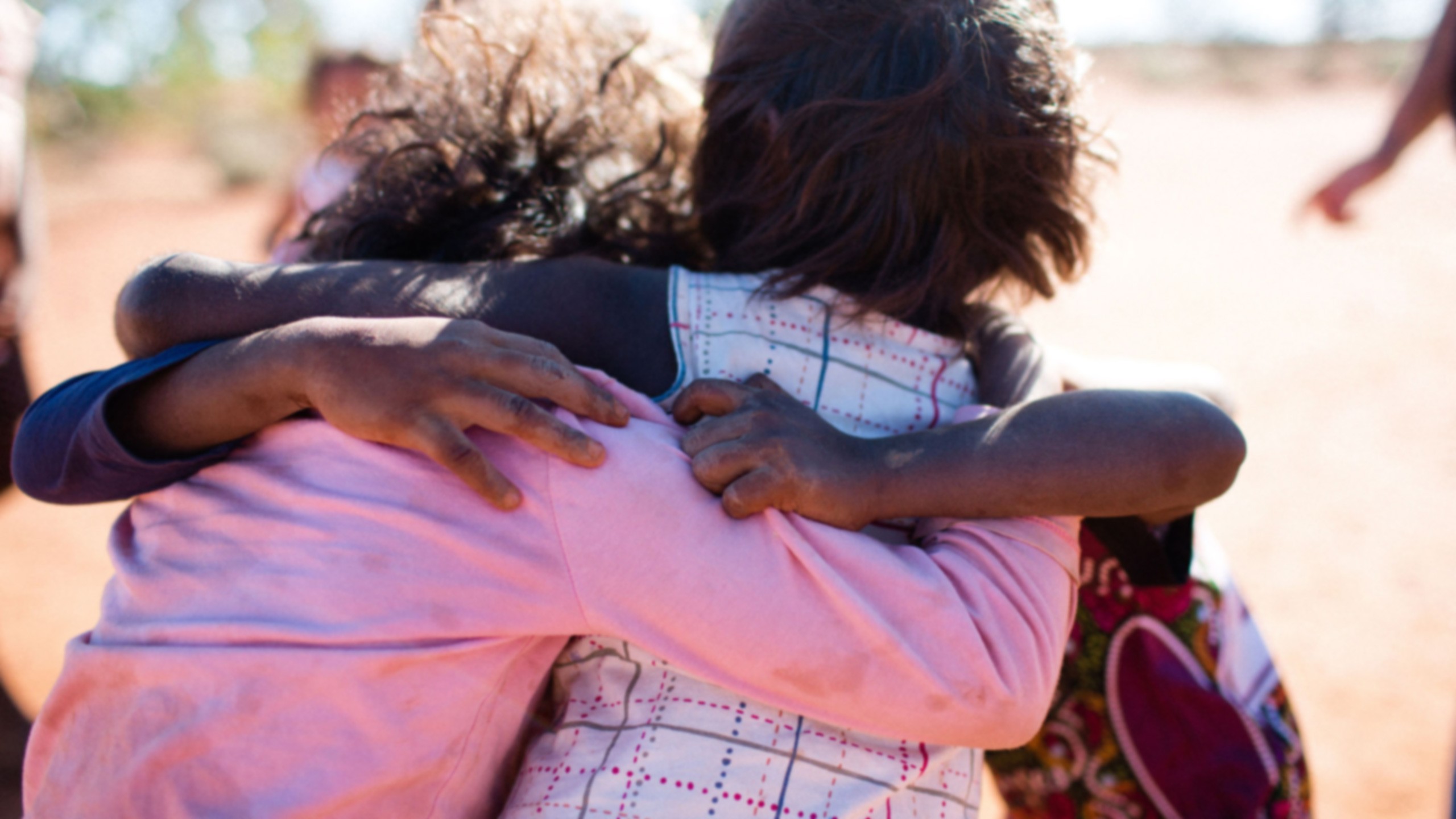
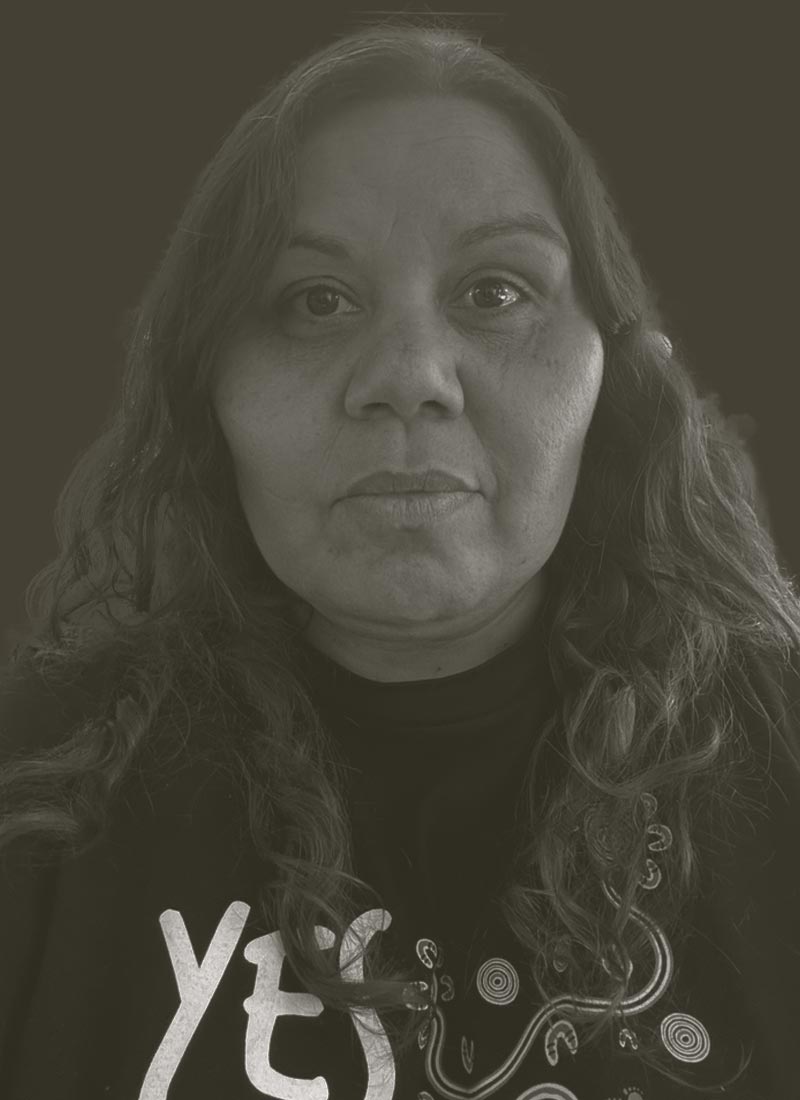
This is where Children’s Ground begins. With the child. Fully connected to their family and culture. With culture, belonging and learning grounded in identity.
Change begins with the child.
Families
Strengthened through children
When children are supported to grow strong in identity, language and culture, families feel the change.
Elders see knowledge carried forward. Parents reconnect through their children. Families begin to heal together as children grow with confidence and belonging.
Communities identify progress when families walk alongside their children. When parents, carers and extended family are present, engaged and learning together with their children, strength grows across generations.
This shared journey reflects safety, trust and confidence returning to family life.
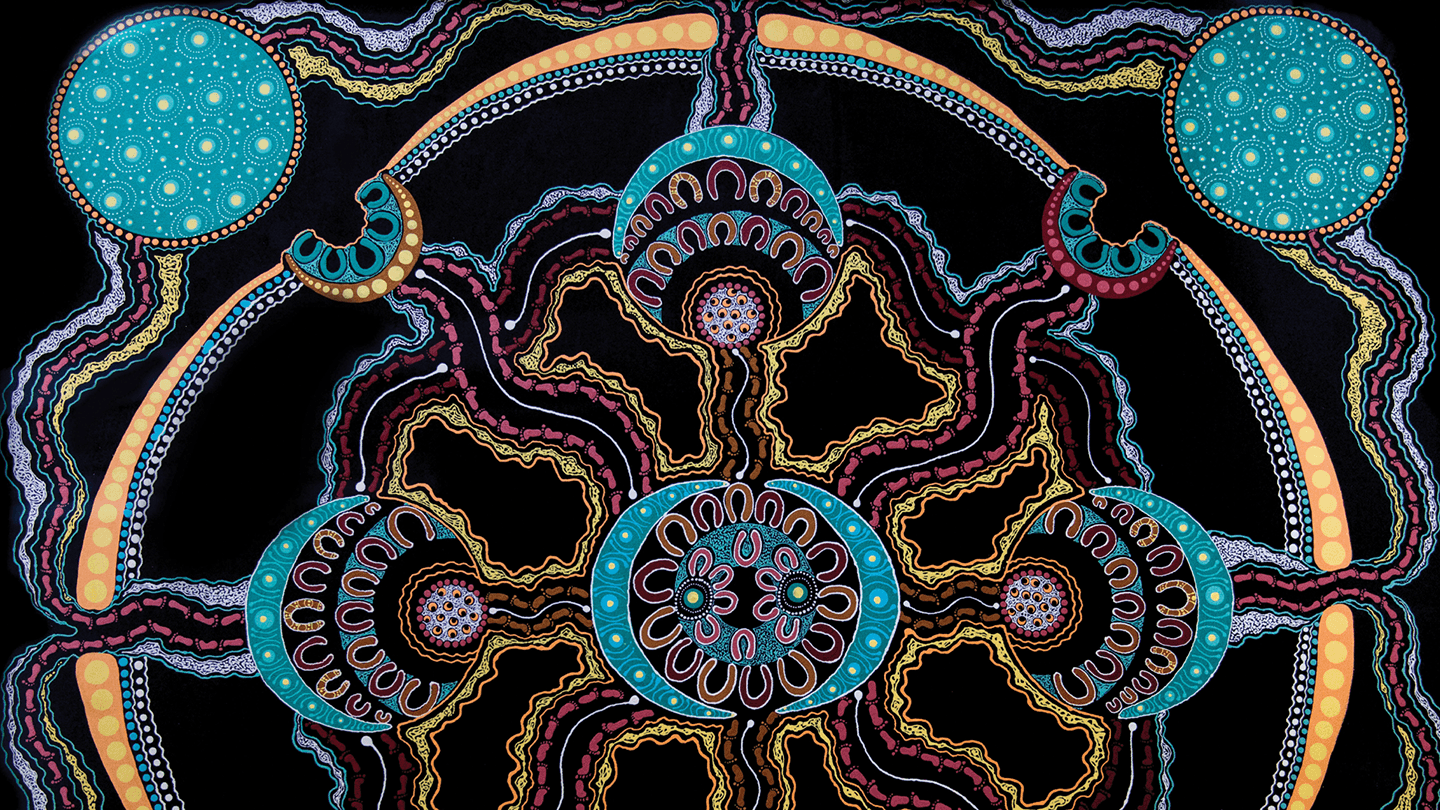
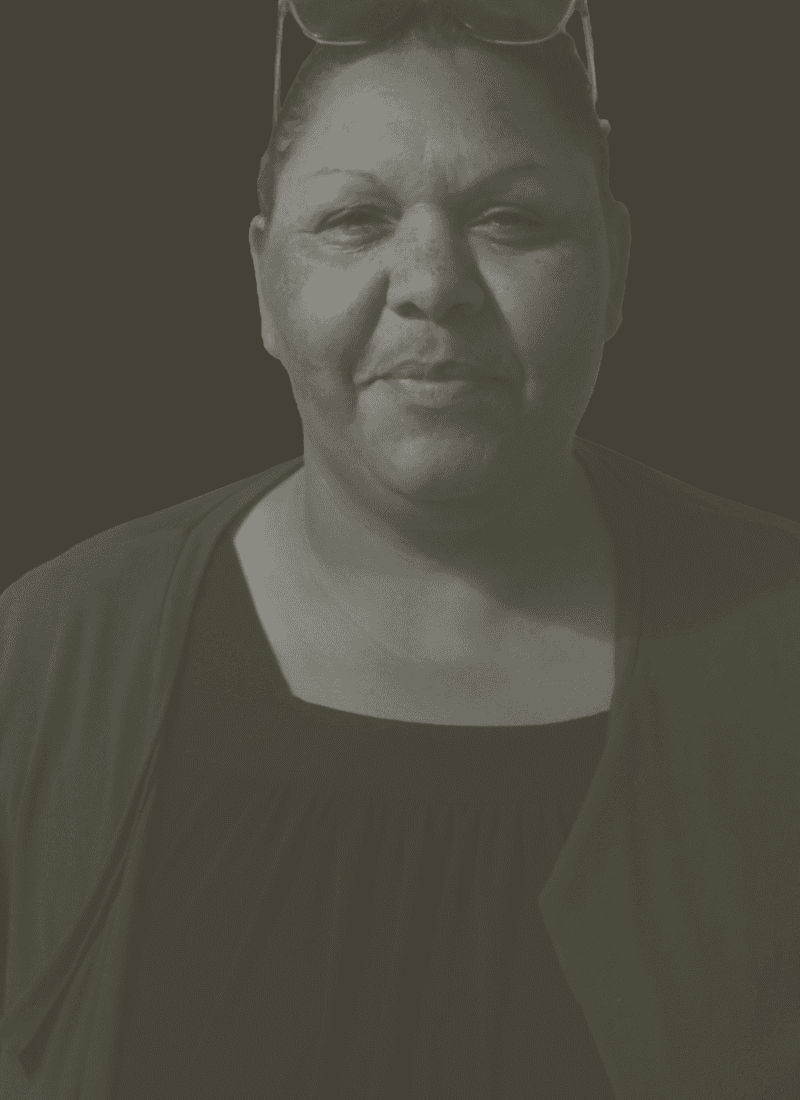
Healing grows through trust, time and respect. It grows when our families are leading with our solutions. Children’s Ground is for the long term because we need to hold all our children. This is how healing takes root and lasts.
Healing families, healing children.
Communities
A 25 year approach
As families grow stronger, the foundations of community life begin to rebuild. Communities led by First Nations people shape their own futures. Culture and knowledge guide decisions. Governance reflects local authority and responsibility.
This is the long term vision of Children’s Ground. A 25 year commitment that supports communities to design, lead and govern their own systems, replacing a system that is still creating harm, with our system that empowers and heals.
Tyerrtye Arrernte mapele iwerre ineme. Anwerne angkentyele ileme nthakenhe mpwaretyeke. Arrpenhele iletyeke arrangkwe. Anwerne apurte-irremele decision mpwareme, tyerrtye mape akwete angkeme community-ke ante itne ileme involved-irretyeke. Anwerne apurte-irremele alakenhe mpwareme. Anwernenhe aweme. Arrantherre, tyerrtye mperlkere mapele aweme. Anwerneke amparre arrwekele arrernele ante iterrentye anwernekenhe awetyeke.
"Community is making the decisions and leading: Arrernte people are leading the way. We are always talking to community and getting people involved. We are making the decisions. No one is telling us what to do. We’re all doing it together."
L Palmer
Elder, Ampe-kenhe Ahelhe Director (dec.)
Read Mrs Palmer's full reflection in the appendix (6)
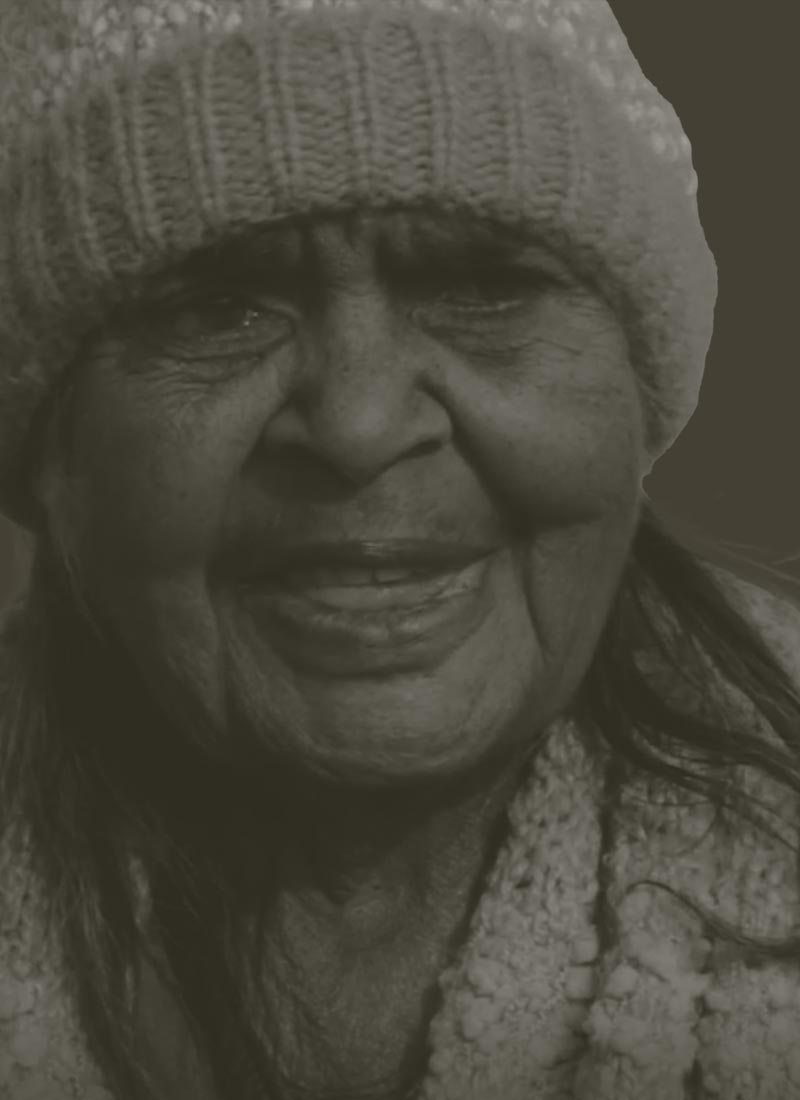
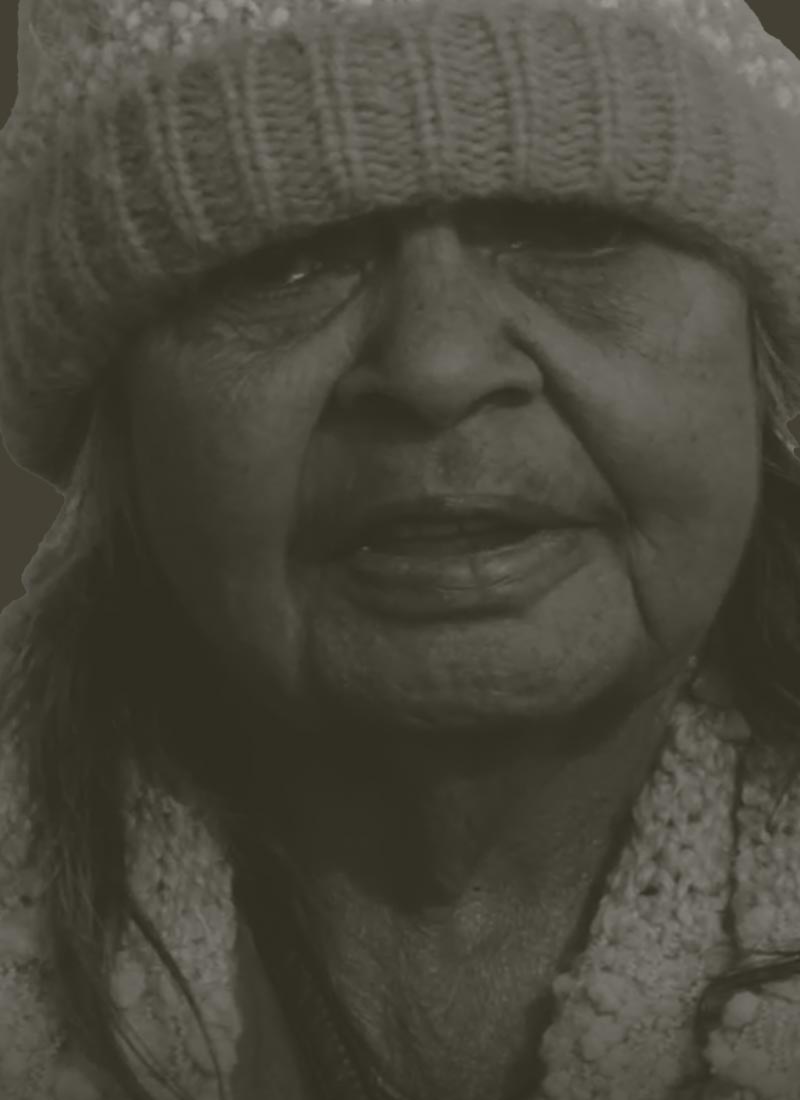
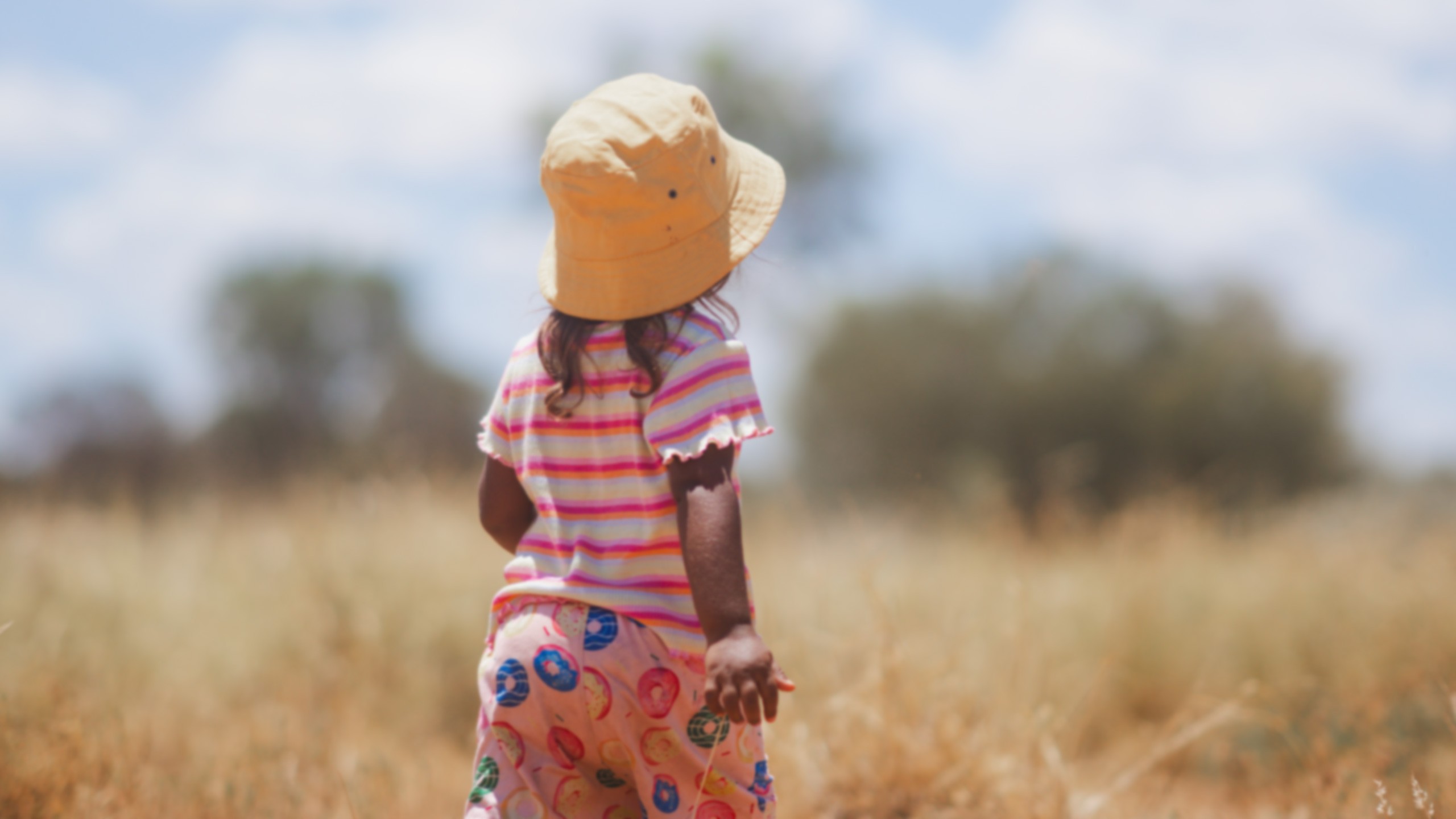
Where culture was attacked, culture now leads. Where languages were silenced, they are now being revived. Where families and children lived in fear, they now live with hope. Where futures were dismantled, opportunity is now building. Self-determination grows.
This is how lasting change is created.
Elders
Holding knowledge and guiding us forward
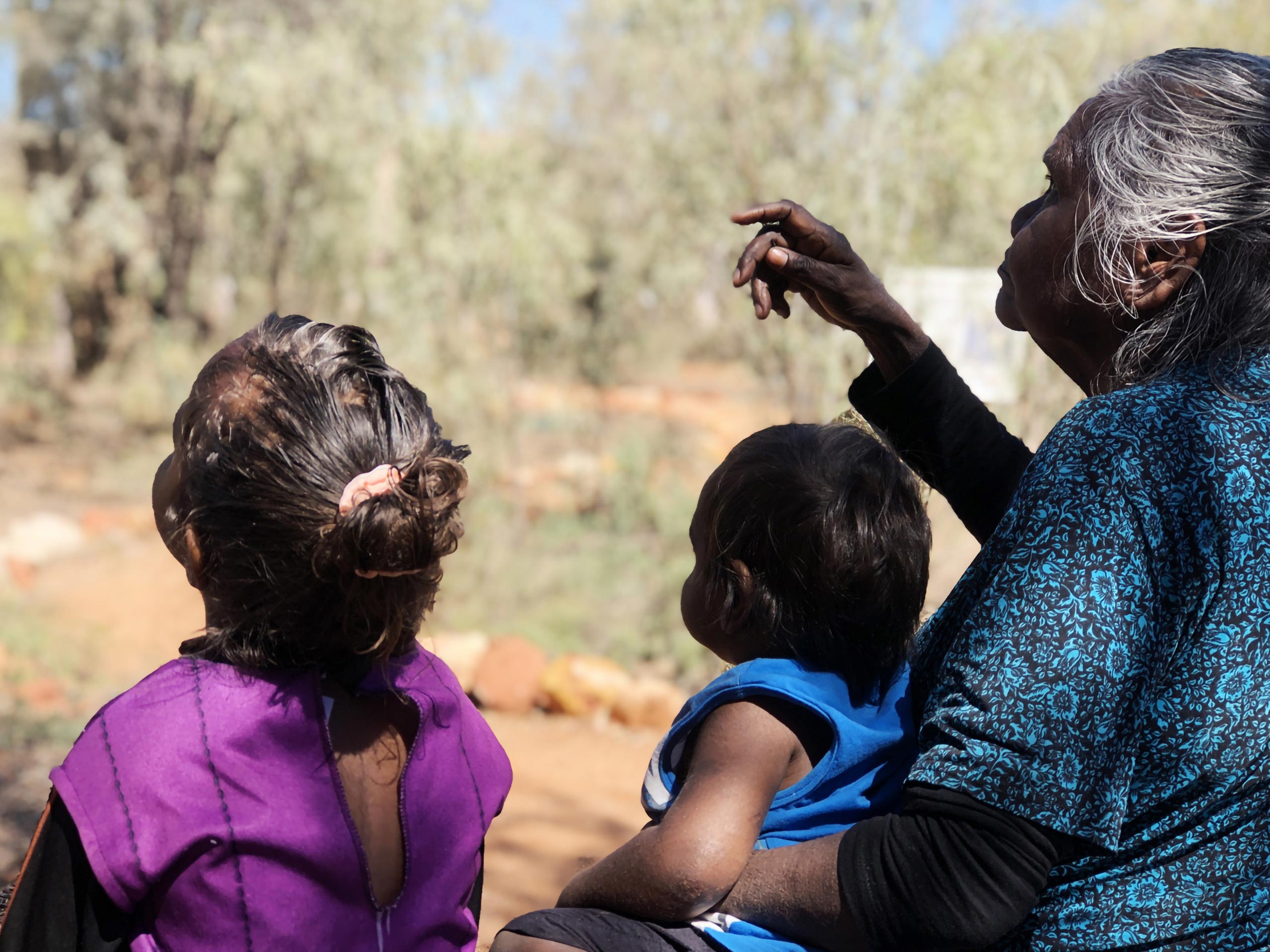
At the heart of Children’s Ground are Elders. Elders have always held the responsibility for culture. They are our authority. Our children must always be connected to our Elders. Elders hold our people and community. That is our way. We follow their path in all that we do.
They carried knowledge, law and authority through periods of profound disruption, and they continued to protect what mattered most for future generations. They are our freedom fighters, our heroes.
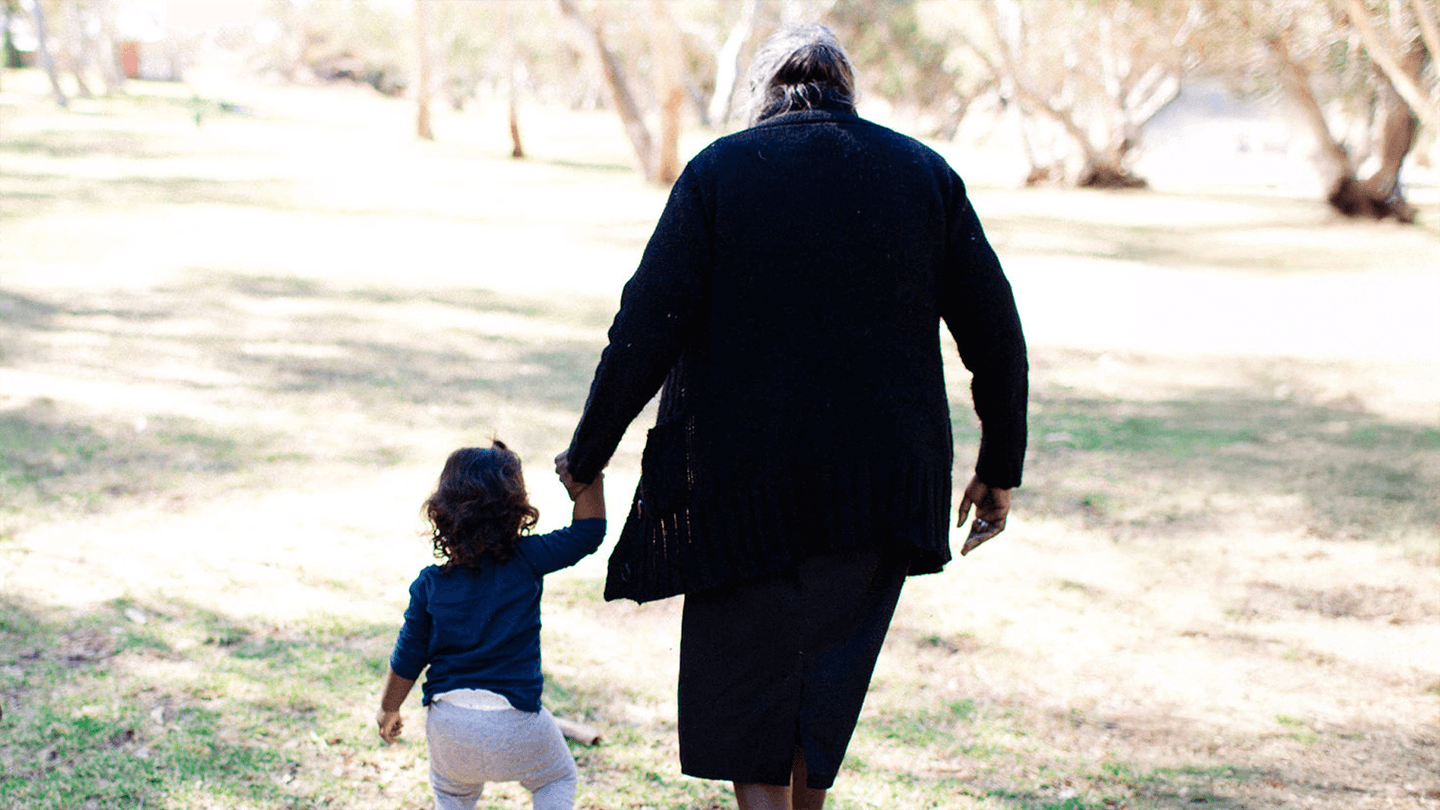
Children’s Ground exists because Elders chose to act. They shaped this approach, placed children at the centre and insisted that culture, community authority and long term responsibility guide every decision.
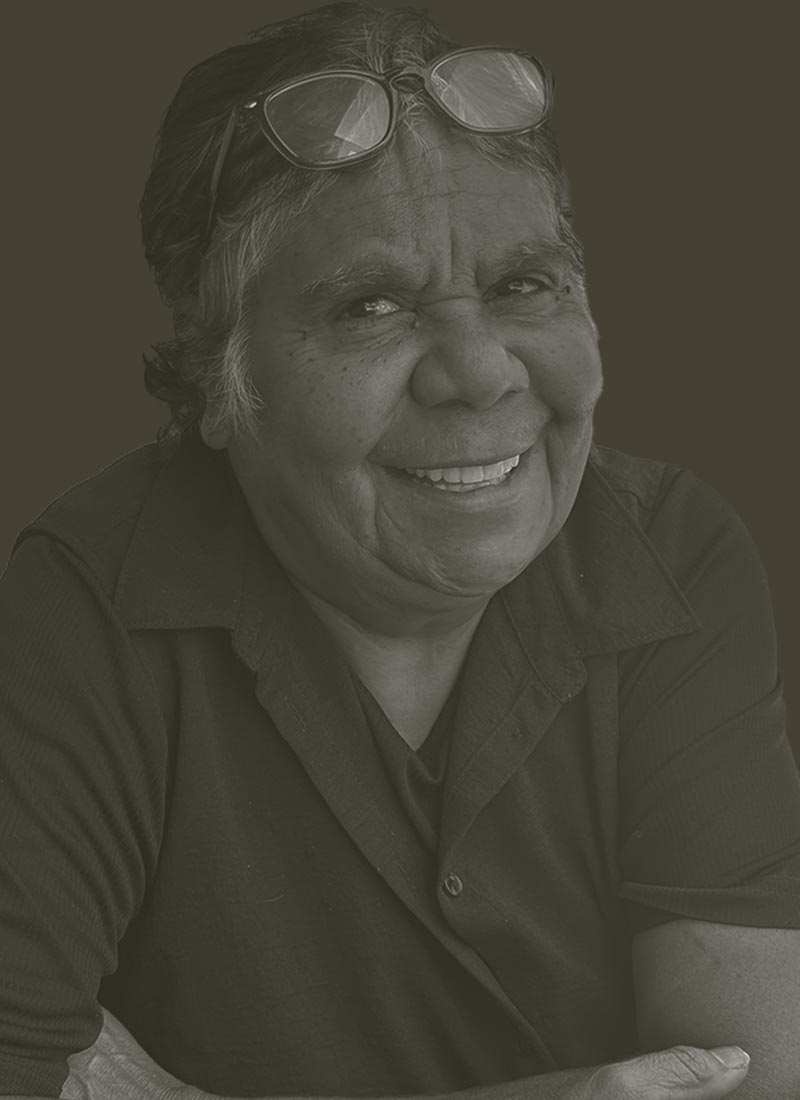
Elders remain deeply involved across all aspects of the work, ensuring continuity, cultural strength and accountability as families and communities rebuild.
Why we speak
on January 26
January 26 carries deep meaning for our communities. It is a day shaped by grief, trauma and truth. We all feel it differently. It is a day that requires courage, healing and care. It is day to remember, and a day to celebrate our survival.
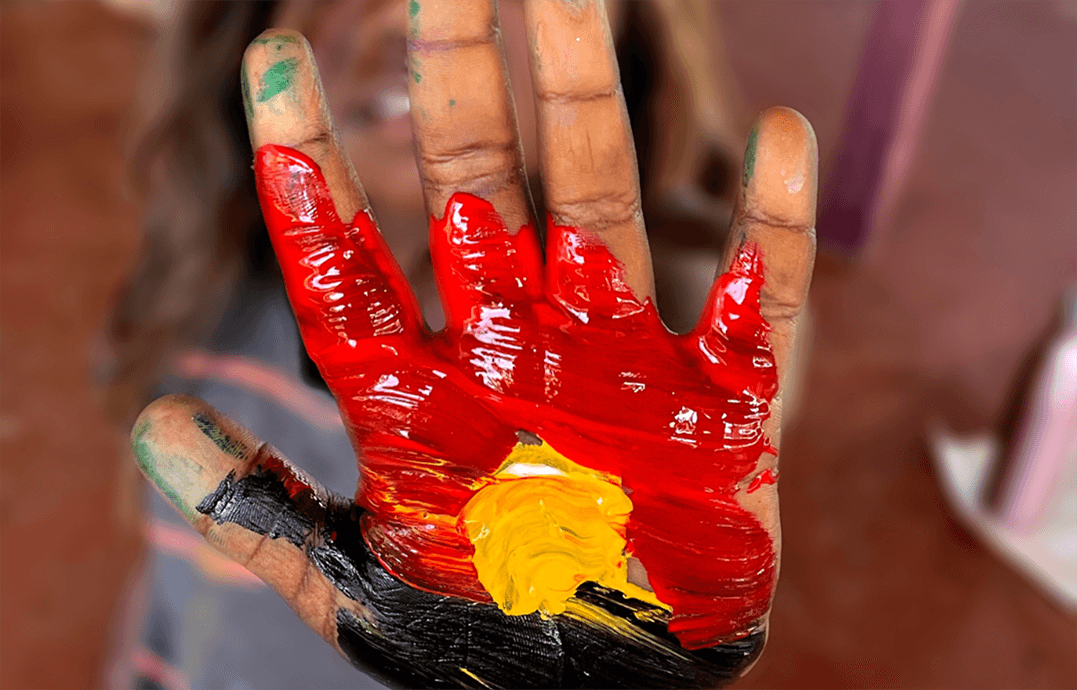
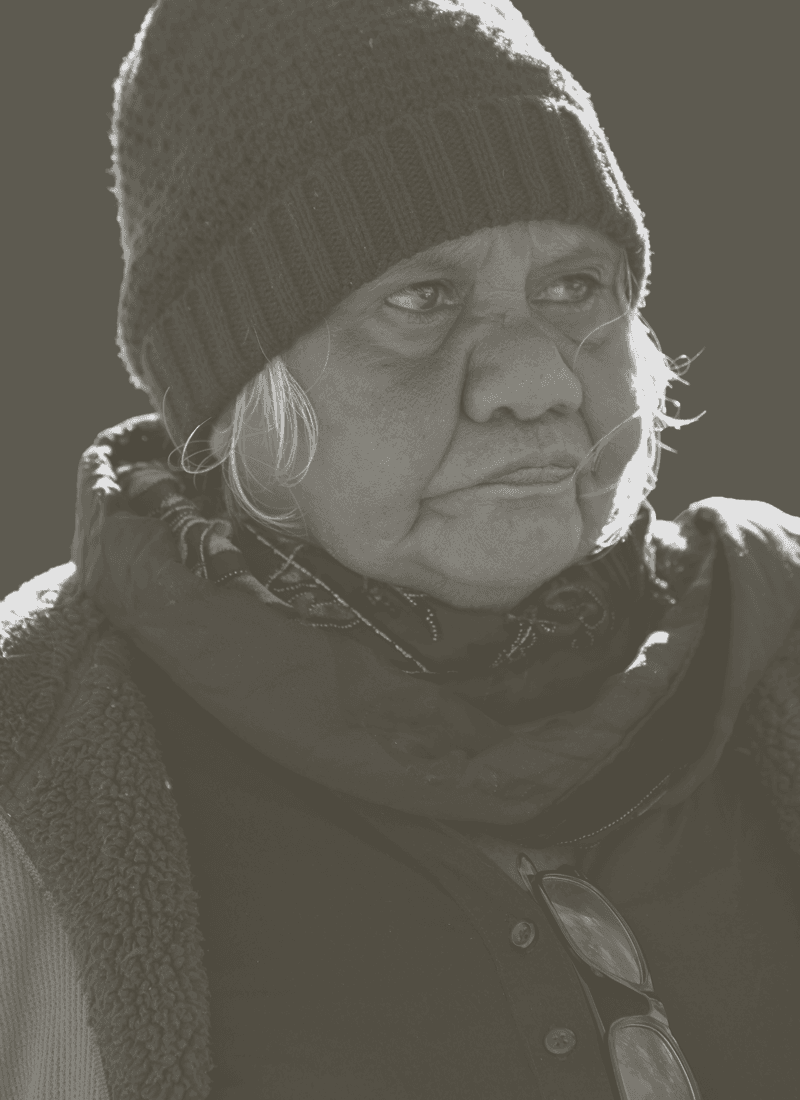
First Nations people carry personal and collective histories on this day. They hold their own experiences alongside the responsibility of supporting children, families and communities. This emotional labour is real and ongoing.
We speak on January 26 because truth matters. We speak because children matter. We speak because the future matters.
An invitation
Walk with us
We invite people across Australia to listen deeply. To reflect on the truth of this nation’s history. To learn from the voices of First Nations communities. We ask people to walk alongside us and to support the leadership and solutions that come from our communities.
Listening requires care. It asks people to stay present, even when the truth feels difficult. It asks people to learn from lived experience and to recognise the responsibility we all share for the future.
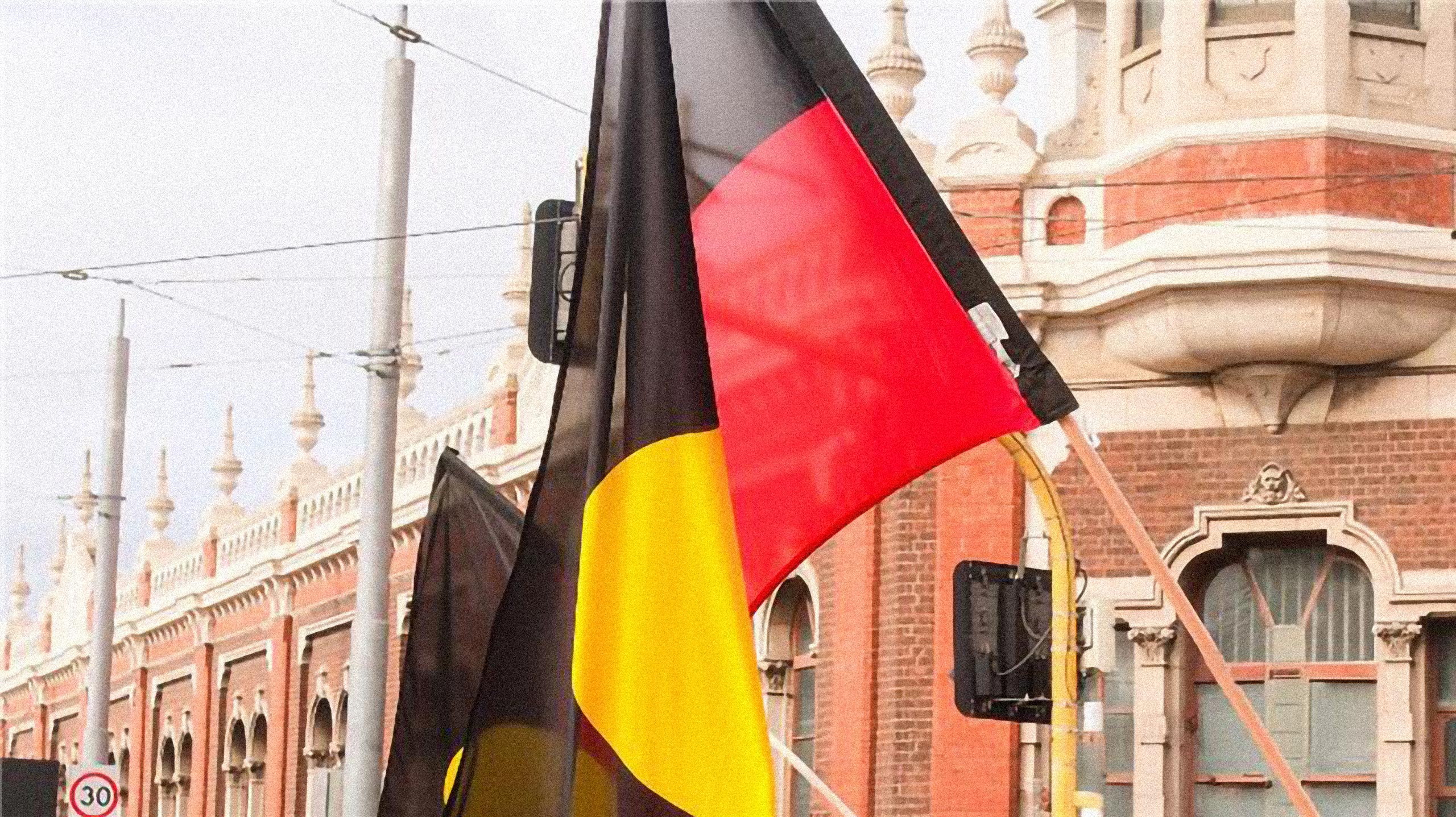
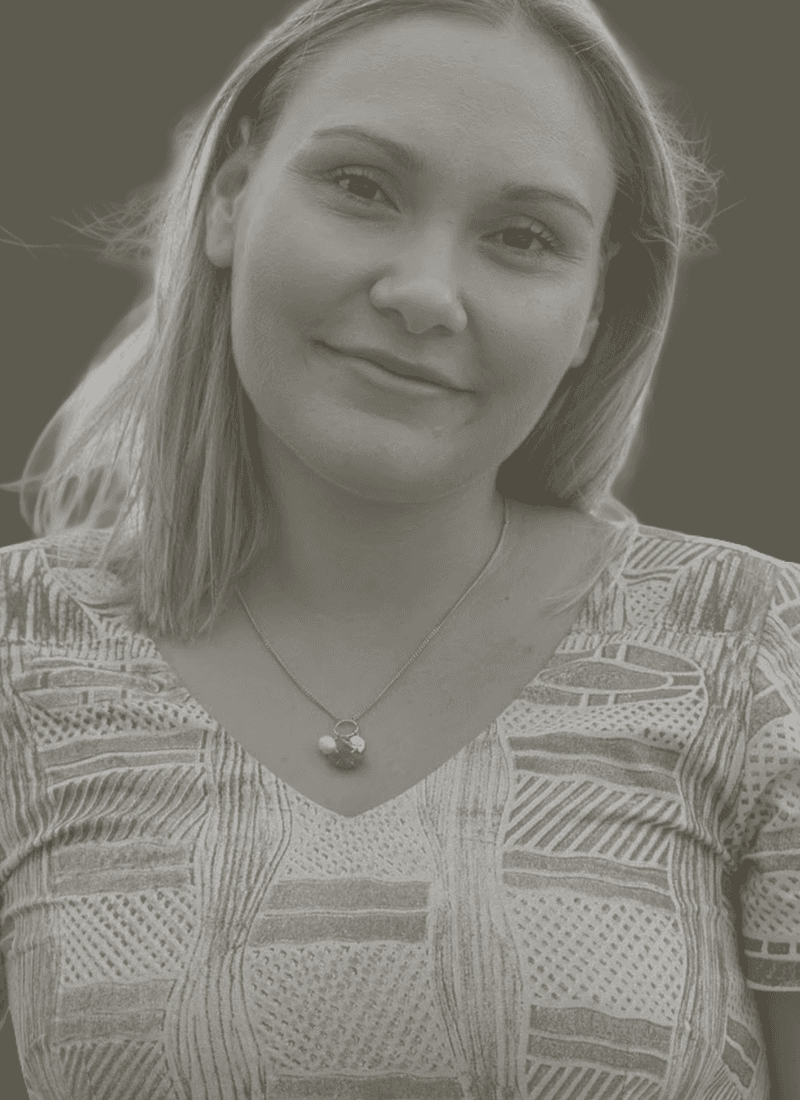
Understanding grows through listening. Healing grows through truth. Change grows through shared responsibility.
Country
Connection and responsibility
Our Country is everything. We come from Country. Everyone born on our sacred lands is connected to Country. Anyone who comes to live on these lands is responsible to Country. And so, all of us in Australia are connected. Connected to our history and connected to our future.
Our Elders share our culture with pride. It is here for all Australians. We look forward to a day when our culture is celebrated by all Australians.
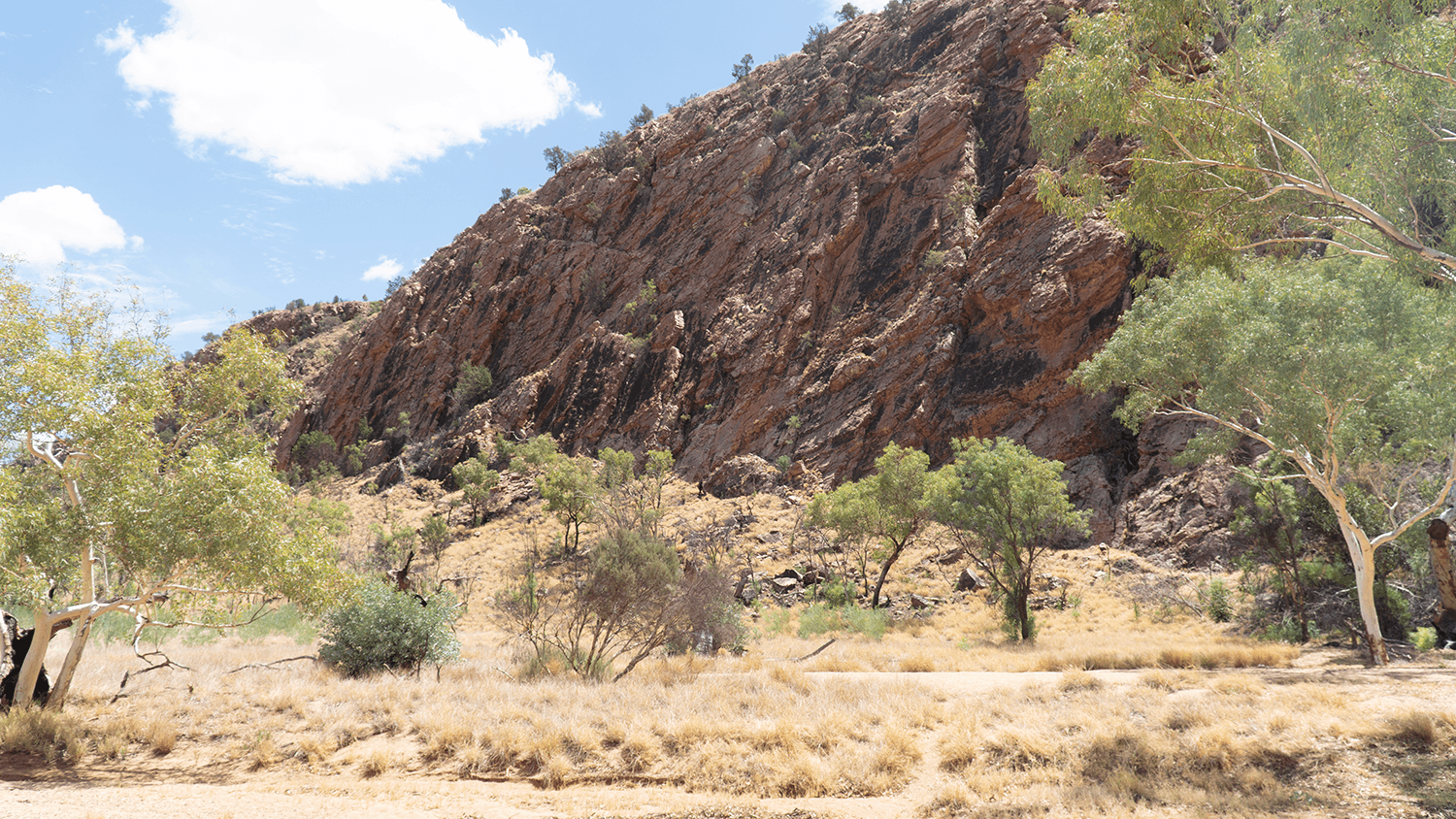
As we heal as First Peoples, we invite Australia to heal from the atrocities of our past, by honouring First Peoples and our truth.
Each person who walks with us helps create conditions for change. Each action grounded in understanding supports the next generation to grow with opportunity, identity and pride.
Walking together
Rights, responsibility and shared action
People across Australia share responsibility for the future we speak about.
The United Nations Declaration on the Rights of Indigenous Peoples, endorsed by Australia in 2009, affirms the rights of First Nations peoples to speak language, practise culture, care for Country and raise children in ways grounded in identity and community. These rights offer a clear guide for the kind of nation we can build together.
People can support this future by learning about these rights, by listening to First Nations voices in their communities and by encouraging those who represent them in government to uphold and advance these principles.
People can also strengthen this work in their own lives by creating spaces that respect culture, truth and the leadership of First Nations communities.
A pathway forward
Thank you for walking with us
For those who would like to continue listening and learning, we are sharing a collection of resources for January 26 and beyond. These include suggested films, books and audio that offer opportunities to deepen understanding of First Nations history, culture and lived experience, at your own pace and in your own time.
You are welcome to leave your details to receive this resource list, along with updates from Children’s Ground about our community led work. This is an invitation, offered with care, for those who wish to stay connected and continue learning over time.
Thank you for taking the time to be here and for approaching this day with consideration and respect.
Walk with Children's Ground and First Nations communities building futures for children grounded in culture, identity and self-determination.
Appendix
Number
Link